Complete Import Guide

Importing Hybrid & Electric Vehicles from Japan to Australia

Japan has one of the world's largest right-hand drive used-car markets. Quality hybrid and electric vehicles, many of which were never officially sold in Australia, are available at Japanese auction for $5,000–$25,000 less than comparable local options.

$5k–$25k

Typical saving vs local

8–14 weeks

Average timeline

Grade 3.5+

Minimum auction grade

30+ models

Hybrid & EV options

Why Import from Japan?

Australia and Japan share right-hand drive, which means Japanese domestic market (JDM) vehicles are road-legal here once complied. Japan's strict annual vehicle inspection system (shaken) means cars are kept in good mechanical order throughout their Japanese life. The country has been a world leader in hybrid and EV technology since the late 1990s; the Nissan Leaf launched there in 2010, years ahead of widespread Australian EV availability. The result is a deep, well-maintained pool of used hybrid and EV auction listings at prices that reflect Japan's different depreciation curve.

πŸ“‹

Independent Auction Grade System

Every vehicle is inspected and graded 1–S (S = near-new) by the Japan Auto Appraisal Institute. The report covers interior, exterior, mechanical findings, and odometer verification. You see the full picture before bidding.

⚑

Deep Hybrid & EV Supply

Japan has led electrification for 25+ years. The result is large auction volumes of Leaf, Prius, CR-V e:HEV, Serena e-Power, and more, many models never officially sold new in Australia.

πŸ’°

Significant Price Difference

A Toyota Harrier Hybrid selling used in Australia for $55,000 can be landed from Japan for $30,000–$38,000. A Lexus RX 450h available locally for $70,000 can land for $38,000–$48,000.

🌿Self-charging hybrid vehicles

Popular Hybrid Models

Self-charging hybrids need no plug; they recharge through regenerative braking and the petrol engine. Toyota, Honda, and Nissan have each proved the durability of their hybrid systems across millions of vehicles. The models below consistently appear through Japanese auctions at grade 3.5–5 condition.

Best Overall

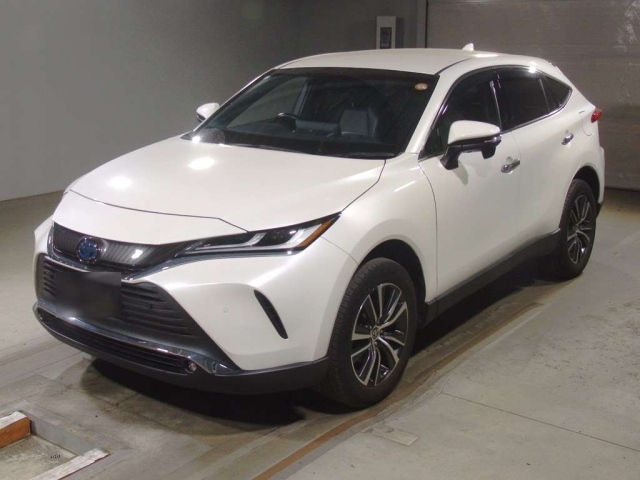
Toyota Harrier Hybrid

SUV Β· 2020–present

Landed est.

$30,000–$38,000

AU used

$45,000–$60,000

Save est.

$10,000–$20,000

Browse Harrier Hybrid in the app β†’
Best Premium SUV

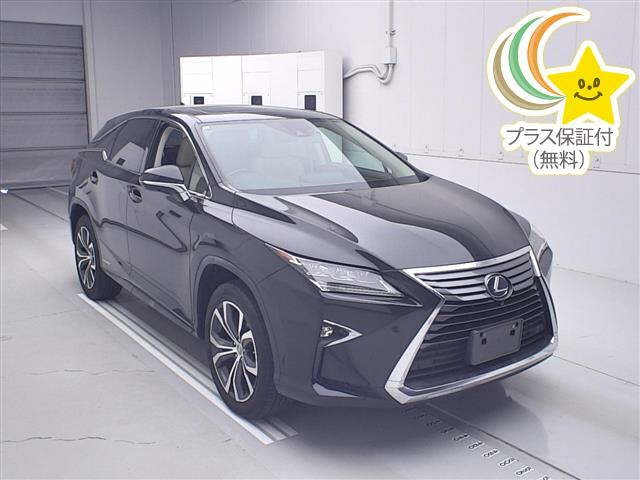
Lexus RX 450h

Luxury SUV Β· 2015–2022

Landed est.

$38,000–$48,000

AU used

$64,000–$76,000

Save est.

$15,000–$25,000

Browse RX 450h in the app β†’
Best Premium Sedan

Toyota Crown Hybrid

Premium Β· 2018–2022

Landed est.

$26,000–$36,000

AU used

$40,000–$55,000

Save est.

$10,000–$20,000

Browse Crown Hybrid in the app β†’
Best Family Car

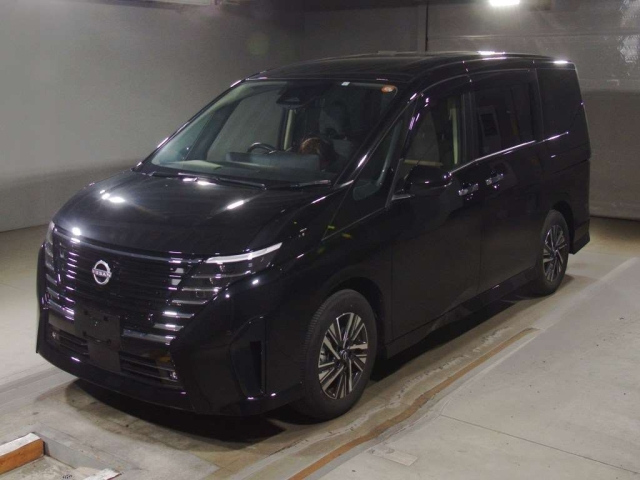
Nissan Serena e-Power

Family MPV Β· 2022–present

Landed est.

$35,000–$40,000

AU used

$40,000–$50,000

Save est.

$5,000–$10,000

Browse Serena e-Power in the app β†’
Best Value Family

Toyota Voxy / Noah Hybrid

Family MPV Β· 2018–2021

Landed est.

$28,000–$36,000

AU used

$40,000–$48,000

Save est.

$8,000–$12,000

Browse Voxy / Noah Hybrid in the app β†’
Safest Option

Honda CR-V e:HEV

SUV Β· 2019–2022

Landed est.

$36,000–$43,000

AU used

$45,000–$55,000

Save est.

$5,000–$10,000

Browse CR-V e:HEV in the app β†’
Budget Pick

Toyota Aqua Hybrid

Compact Β· 2011–present

Landed est.

$12,000–$18,000

AU used

$18,000–$26,000

Save est.

$5,000–$8,000

Browse Aqua Hybrid in the app β†’

Prices are estimates based on current Japanese auction data and Australian used-car market comparisons. Actual prices vary with grade, year, mileage, and the AUD/JPY exchange rate. Get a live estimate from us before committing.

⚑Battery electric vehicles

Popular Electric Vehicle Models

Japan's EV market matured well ahead of Australia's. The Nissan Leaf has been in Japanese production since 2010 and has an established compliance and service ecosystem here. The Ariya and Honda e are newer SEVS-eligible models with modern range and features. All pricing below represents landed cost estimates from Japanese auction with no dealer margin.

Best to Import

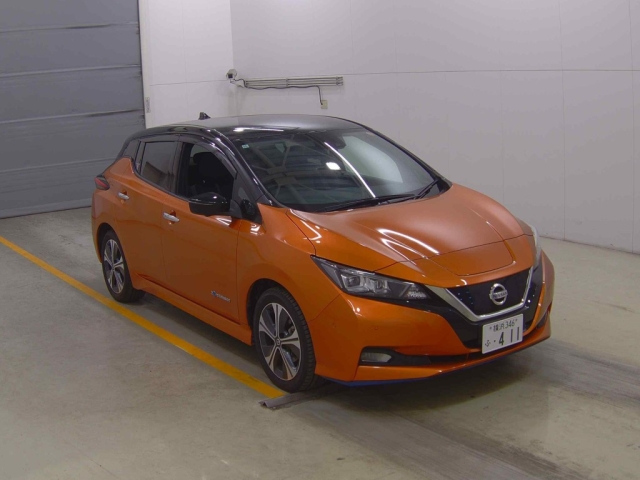
Nissan Leaf Gen 2

Hatchback Β· 2017–2020

Landed est.

$15,000–$20,000

AU used

$20,000–$35,000

Save est.

$2,000–$10,000

ZE1 generation. 40kWh battery. SEVS-eligible. Most widely available.

Browse Leaf Gen 2 in the app β†’
Best Premium EV

Nissan Ariya

Premium SUV Β· 2022–present

Landed est.

$30,000–$40,000

AU used

$55,000–$75,000

Save est.

$10,000–$20,000

Up to 610km WLTC range. CCS2 fast charge. AWD available.

Browse Ariya in the app β†’
Lifestyle Pick

Honda Honda e

Compact Β· 2020–2024

Landed est.

$18,000–$28,000

AU used

$35,000–$55,000

Save est.

$5,000–$15,000

City car. ~220km real-world range. Rear-wheel drive.

Browse Honda e in the app β†’
Rising Star

Nissan Sakura

Kei EV Β· 2022–present

Landed est.

$15,000–$24,000

AU used

$18,000–$28,000

Save est.

$2,000–$8,000

Kei class. Confirm compliance suitability before enquiring.

Browse Sakura in the app β†’

EV-specific considerations (battery health, charging in Australia, and real-world range) are covered in detail further down this page.

How the Import Process Works

Importing a vehicle from Japan to Australia involves several distinct steps, but with the right importer it is a well-established, transparent process. Here is what to expect from start to finish.

01

Browse Live Auction Listings

The Sunny Imports app lists live Japanese auction listings, updated regularly. Filter by make, model, year, and auction grade. Every listing includes photos and an independent inspection report from the Japan Auto Appraisal Institute (JAAI), covering interior, exterior, mechanical notes, and odometer verification.

02

Request an Inspection

Found a listing you want to pursue? Pay a deposit first, then request an independent pre-purchase inspection. On request, we can also provide a price estimate covering the main landed costs. We provide estimates on request, not automatic quotes.

03

Bid & Win at Auction

We bid on your behalf at one of Japan's major auto auctions (USS, TAA, JAA, and others). If your bid is successful, export preparation begins. You see the exact auction price with no hidden markups.

04

Ship to Australia

Your vehicle is loaded into an RoRo (roll-on/roll-off) vessel and ships to your nearest Australian port: Brisbane, Melbourne, Sydney, or Fremantle. Shipping typically takes 3–4 weeks from Japanese port.

05

Compliance & Registration

On arrival, the vehicle undergoes biosecurity inspection, then goes to a licensed compliance workshop. ADR modifications are made (speedometer calibration, headlights, side markers, seatbelt anchors). A compliance plate is fitted and you can register and insure it as a standard used imported vehicle.

Typical timeline: 8–14 weeks

Auction win β†’ Japanese port (1–2 weeks) β†’ Shipping to Australia (3–4 weeks) β†’ Compliance workshop (4–8 weeks) β†’ State registration

What Does It Actually Cost?

The "landed cost" is the total you pay to get the car on the road, including all fees, taxes, shipping, and compliance. Below is a worked example for a Toyota Harrier Hybrid in grade 4 condition.

Cost itemExample (Harrier Hybrid grade 4)
Auction purchase priceΒ₯3,500,000 (~$33,000 AUD)
Auction buyer's fees (~10%)~$3,300
Export & shipping to AU~$2,800
Marine insurance~$500
Quarantine inspection~$450
Customs duty$0
GST (10%)~$4,005
Compliance (ADR)~$4,500
Delivery to you~$500
Total landed (est.)~$49,055

A comparable 2021 Harrier Hybrid at an Australian dealer typically sells for $55,000–$65,000. The same car, landed from Japan at grade 4, can deliver a saving of $10,000–$20,000. Note: AUD/JPY exchange rates affect the final figure; always get a live estimate before committing.

SEVS Eligibility & Compliance

Australia's Specialist and Enthusiast Vehicle Scheme (SEVS) governs which used vehicles can be legally imported. A vehicle qualifies if it was not officially sold new in Australia in that specification, or if the locally-sold variant differs sufficiently. Most hybrid and EV models in this guide are SEVS-eligible; the Sunny Imports team confirms eligibility for every vehicle before listing it in the app.

Compliance Steps

  1. Vehicle arrives at Australian port
  2. DAFF biosecurity inspection
  3. Delivered to licensed compliance workshop
  4. ADR modifications: speedometer calibration, headlights, side markers, seatbelt anchors, etc.
  5. Compliance plate fitted
  6. Roadworthy certificate issued
  7. Ready for state registration and insurance

SEVS-Eligible Models (selected)

  • βœ“Toyota Harrier Hybrid (AXUH80/85)
  • βœ“Toyota Harrier PHEV (AXUP85)
  • βœ“Toyota Crown Hybrid (AZSH20/21)
  • βœ“Toyota Voxy/Noah Hybrid (ZWR80)
  • βœ“Toyota Aqua Hybrid (MXPK10/11/15/16)
  • βœ“Lexus RX 450h (GYL20)
  • βœ“Honda CR-V e:HEV (RT5/RT6)
  • βœ“Nissan Serena e-Power (C28)
  • βœ“Nissan Leaf Gen 2 (ZE1)
  • βœ“Nissan Ariya (FE0)
  • βœ“Honda e (ZC7)

SEVS eligibility depends on model code, year, and specification. Always confirm before purchasing. Eligibility can change as vehicles age into the >25-year rule or as Australian-delivered equivalents are discontinued.

⚑

EV-Specific Considerations

Nissan Leaf: Know Your Generation

The Leaf is the most commonly imported EV from Japan. There are two generations with very different battery stories:

Gen 1: ZE0 (2010–2017)

24kWh or 30kWh battery. Known for faster degradation, especially in hot climates without active thermal management. Not recommended unless it is a low-mileage, high-grade example with verified battery health data.

Gen 2: ZE1 (2017–2022) βœ“ Recommended

40kWh standard or 62kWh e+. Significantly improved chemistry and thermal management. Check the dashboard capacity bar gauge: 12/12 bars = full health; 10+ bars is acceptable for daily use. All Sunny Imports Leaf listings include SOH data.

Charging in Australia

Home charging

A 7.2kW AC wallbox is recommended for overnight charging. Installation typically costs $800–$1,500 including the unit. All imported EVs below use standard connectors:

  • Nissan Leaf / Honda e: Type 1 (J1772) AC
  • Nissan Ariya: Type 2 AC
  • Nissan Sakura: Type 1 AC (3.3kW max)

Public fast charging

The Nissan Leaf uses CHAdeMO for DC fast charging. CHAdeMO infrastructure in Australia is declining as CCS2 becomes the dominant standard. If fast charging is important to your use case, check PlugShare for CHAdeMO availability near you before buying a Leaf.

The Nissan Ariya uses CCS2, which has much broader network support across Chargefox, Ampol AmpCharge, and BP Pulse.

Real-World Range

Nissan Leaf 40kWh (ZE1)
200–250 km
Nissan Leaf 62kWh e+ (ZE1)
290–350 km
Nissan Ariya (FE0)
400–500 km
Honda e (ZC7)
180–220 km
Nissan Sakura (B6AW)
150–180 km
🌿

Hybrid-Specific Considerations

No Plug Required

Self-charging hybrids (Toyota Hybrid System, Honda e:HEV, Nissan e-Power) do not need to be plugged in. The HV battery charges continuously through regenerative braking and the petrol engine. This makes them practical for any driver regardless of home charging access; they refuel exactly like a standard petrol car.

HV Battery Longevity

Toyota's HV battery is exceptionally proven in real-world use. Toyota Prius taxi fleets operating in Australia with 400,000+ km on original batteries are well-documented. The Aqua, Harrier, Crown, and Voxy all use Toyota's third-generation THS system with lithium-ion HV battery. HV battery replacement, when eventually needed, is approximately $2,500–$4,000 for a reconditioned unit.

Honda's e:HEV system in the CR-V uses a lithium battery in a series-hybrid architecture; the petrol engine primarily generates electricity for the motor. Also reliable; first-gen e:HEV Fit Hybrids with >200,000 km on original batteries are common in Australia.

Hybrid System Comparison

Brand / SystemHow it worksKey strength
Toyota THSSplit-power CVT; petrol and motor used simultaneouslyIndustry-leading reliability; massive AU parts network
Honda e:HEVSeries hybrid; motor drives wheels, petrol generates electricityEV-like drive feel; strong low-end torque; efficient in city
Nissan e-PowerPure series hybrid; petrol never directly drives wheelsMost EV-like hybrid experience; one-pedal capable

Servicing, Parts & Insurance

Can Australian mechanics service these?

Yes. Toyota, Nissan, Honda, and Lexus vehicles imported from Japan use the same mechanical platforms as their locally-sold equivalents. Dealer workshop software (Toyota Techstream, Nissan Consult III) works on JDM variants. Most main dealers and independent hybrid-trained mechanics can service them without issue.

OEM parts availability

Toyota, Nissan, Honda, and Lexus parts are stocked and orderable across Australia. Even Japanese-market variants share parts with locally-sold models. Parts can also be ordered directly from Japan through Amayama, Japan Parts, or via the dealer network at competitive prices. Grey import status does not prevent parts access.

Insurance

Comprehensive insurance is available for ADR-complied Japanese imports from most major insurers and specialist providers (Shannons, Enthusiast Underwriting). Agreed-value policies are recommended. Some insurers request an inspection on first policy. Ask your broker for insurers experienced with grey imports.

EV servicing

Nissan Leaf service is well-supported in Australia; it has been sold new here since 2012 and Nissan dealers are familiar with it. Honda e service is better handled by independent EV specialists. The Ariya is newer but Nissan dealer capability is expanding rapidly as the model enters the official AU lineup.

Frequently Asked Questions

Is it legal to import a used Japanese car to Australia?β–Ύ
Yes. Australia's Specialist and Enthusiast Vehicle Scheme (SEVS) allows eligible used vehicles to be imported. Most hybrid and EV models in this guide are SEVS-eligible. Vehicles are complied to Australian Design Rules (ADR) by a licensed compliance workshop before registration.
Does the car come with an Australian warranty?β–Ύ
Imported used vehicles do not come with a manufacturer's warranty. However, Australian Consumer Law statutory guarantees still apply when purchasing through a licensed importer. Many importers also provide short-term mechanical warranties on their vehicles.
Will the speedometer read in km/h?β–Ύ
Yes. Japanese domestic vehicles already use km/h. The speedometer is verified and calibrated during the ADR compliance process.
Can I get finance for a grey import?β–Ύ
Yes, though not all lenders accept grey imports. Specialist vehicle finance brokers handle these regularly. Some major banks and credit unions will lend against a compliance-plated, registered import. Ask us for recommended brokers.
Can Australian mechanics service these cars?β–Ύ
Yes. Toyota, Nissan, Honda, and Lexus vehicles imported from Japan use the same mechanical platforms as their locally-sold counterparts. Dealer workshop software (Toyota Techstream, Nissan Consult) works on JDM variants. Most dealers and independent hybrid-trained mechanics can service them.
What auction grade should I look for?β–Ύ
Grades run 1 (poor) to S (near-new). For daily driving, grade 3.5 and above is recommended. Grade 4 represents very good condition. Grade 4.5–5 is excellent to near-new. The Sunny Imports app filters results to grade 3.5+ by default.
How do I charge a Nissan Leaf at home?β–Ύ
The Gen 2 Leaf (ZE1) charges via a Type 1 (J1772) AC connector. A 7.2kW home wallbox charges the 40kWh battery in approximately 8 hours overnight. Fast charging uses CHAdeMO; check PlugShare for your area as CHAdeMO is less common than CCS2 in Australia.
How does the Leaf battery hold up after import?β–Ύ
Gen 2 (ZE1, 2017+) is significantly improved over Gen 1. The 40kWh battery retains capacity well. Our inspection reports include battery state of health (SOH) data. We recommend checking the capacity bar gauge: 12/12 bars = full; 10+ bars is acceptable for everyday use.
What is the typical timeline from start to driving?β–Ύ
Finding the right car: 1–4 weeks. Auction win to Japanese port: 1–2 weeks. Shipping to Australia: 3–4 weeks. Compliance: 4–8 weeks. Total: approximately 10–14 weeks. Some expedited compliance pathways can be faster.
What's the difference between PHEV and a standard hybrid?β–Ύ
A standard hybrid (like the Harrier AXUH80 or Aqua) charges itself through the petrol engine and regenerative braking, no plug required. A PHEV (like the Harrier PHEV AXUP85) has a larger battery that can be plugged in to charge, giving 50–80km of electric-only range before the hybrid system kicks in. PHEVs command a higher auction price.

Ready to find your car?

Browse live Japanese auction listings, updated regularly. Filter by make, model, year, and auction grade. On request, we can provide a landed cost estimate covering all fees, shipping and compliance, before you commit to anything.